
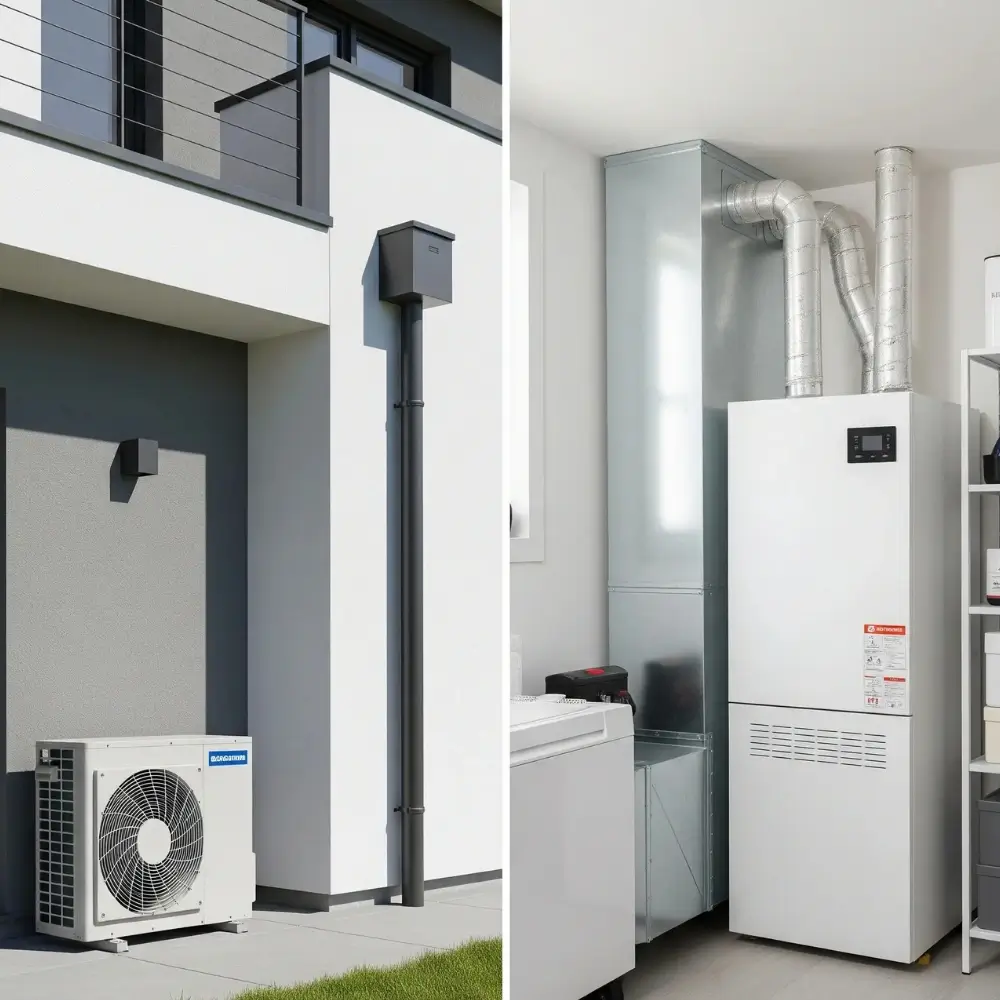
Electric heating and cooling systems have come a long way in recent years, offering efficient alternatives that can keep your home comfortable year-round. Understanding your options helps you make smart decisions when it’s time to replace or upgrade your HVAC system.
Heat pumps are probably the most versatile electric option available today. They work like a reversible air conditioner – cooling your home in summer and heating it in winter using the same system. Heat pumps are incredibly efficient because they move heat rather than generate it, using about half the electricity of traditional electric heating. They work well in most climates and can significantly reduce your energy bills compared to older systems.
Electric furnaces and baseboard heaters are simpler options that work well in certain situations. Electric furnaces provide consistent, reliable heat and work with existing ductwork if you’re replacing a gas furnace. Baseboard heaters are great for individual room control or supplemental heating in additions. While they use more electricity than heat pumps, they’re less expensive to install and require minimal maintenance.
Ductless mini-split systems give you precise control over different areas of your home. Each indoor unit can be set to different temperatures, so you’re not heating or cooling rooms you’re not using. They’re perfect for room additions, converted garages, or homes without existing ductwork. Many homeowners love being able to keep bedrooms cooler while maintaining comfortable temperatures in living areas.
The best electric heating and cooling option depends on your home’s layout, existing systems, and local climate. Heat pumps work great for most situations and offer the best efficiency, while ductless systems excel at zoned comfort control. Electric furnaces make sense when you’re replacing existing equipment and want to avoid major modifications. An HVAC professional can assess your specific situation and recommend the most effective approach for your home and budget.