
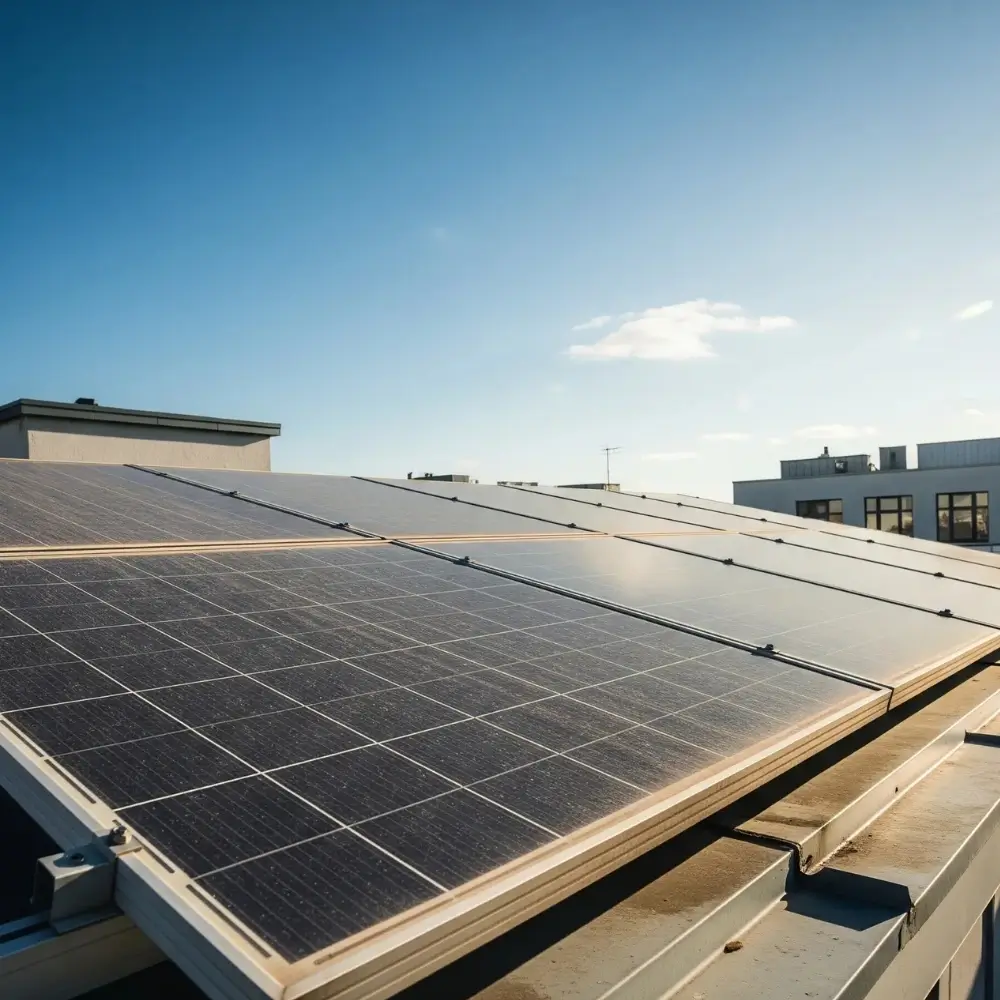
When you’re considering solar panels, one of the first questions that comes up is how long they’ll actually last. The good news is that solar panels are built to stick around for decades, making them one of the longest-lasting home improvements you can make. Understanding their lifespan helps you see the real value of your investment.
Most solar panels come with warranties of 20-25 years, but that doesn’t mean they stop working after that. The warranty typically guarantees that panels will still produce at least 80% of their original power output after 25 years. In reality, many panels keep producing electricity well beyond that timeframe, just at slightly reduced efficiency. Some of the first solar installations from the 1970s are still generating power today.
Solar panels degrade very slowly over time – usually less than 0.5% per year. That means after 20 years, your panels might produce around 90% of what they did when new. The degradation is so gradual that you won’t notice it in your day-to-day electricity production. Modern panels are even more durable than older ones, with better materials and manufacturing processes that slow down this natural aging process.
The inverter, which converts the DC power from your panels to AC power for your home, typically needs replacement once during the system’s lifetime – usually after 10-15 years. This is normal maintenance, kind of like replacing the HVAC system in your house. Some newer systems use microinverters that last longer and can be replaced individually if needed, rather than replacing one large central inverter.
What’s really impressive is how well solar panels hold up against weather. They’re designed to handle hail, high winds, snow loads, and temperature swings. Most panels are tested to withstand golf ball-sized hail and winds over 140 mph. With no moving parts to wear out, solar panels are remarkably reliable once installed. Many homeowners are surprised by how little maintenance they require – usually just an occasional rinse with a hose if they get dusty.